ddn

David Dellanave

  • Blog
  • Programs
  • Coaching
  • Seminars
  • Contact

by david 5 Comments

Effort, How Much is Too Much

Effort, How Much is Too Much

D3C_0665

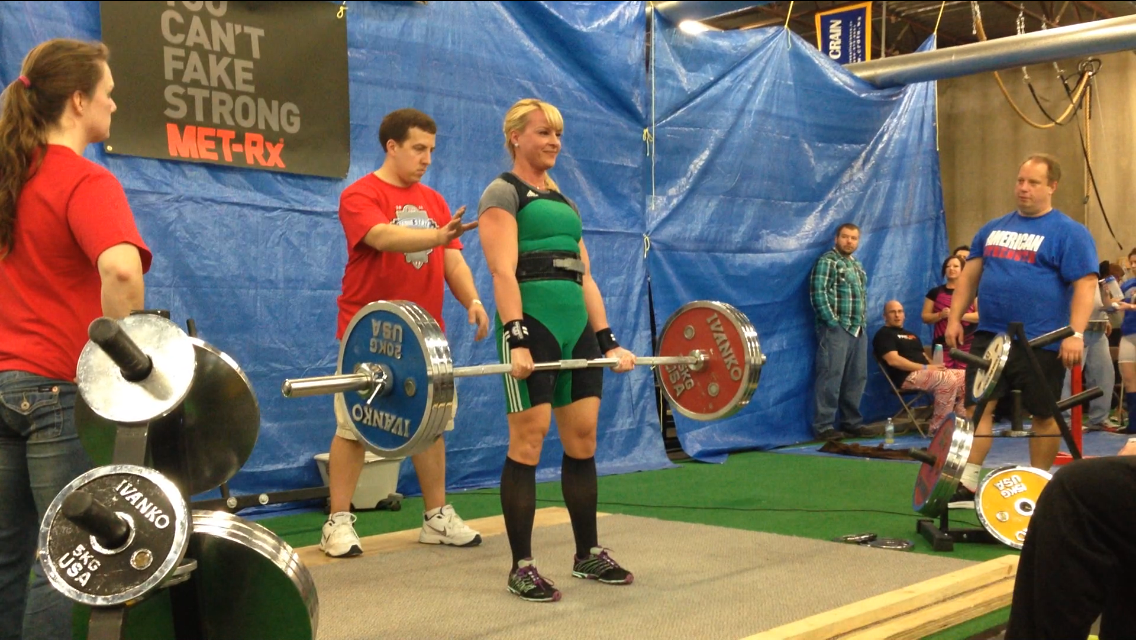
If I could wave my magic wand and change one thing about how people approach strength training, or training in general for that matter, it would be their perspective on and application of effort.

That’s right, biofeedback testing wouldn’t be the first place I would start. (Don’t get me wrong, I think you should test, too, since this hypothetical mutually exclusive scenario doesn’t exist—but testing wouldn’t be The One Weird Trick™ I’d lead with.)

In general, if you ask someone how much effort they apply in their training they’ll give you the answer they think you want to hear which is: ALL OF IT. But I think there’s a problem in the way most people define “effort.”

Effort as it applies to training is strenuous physical or mental exertion. Effort implies straining or probing the limits.

And yet, you can get better, more consistent results without straining.

The Elements of Effort

The very first topic I teach in my workshops is the concept of excessive effort to clarify exactly how we should navigate this term. Excessive effort is anything more than the minimal effective amount of effort, or anything that involves the elements of effort. All credit goes to my mentor Frankie Faires for outlining this spectrum of effort:

  1. Speed: When reps slow down
  2. Tension: When “poop face” occurs
  3. Breathing: When respiration gets ragged
  4. Alignment: When your form changes
  5. Failure: Missing a rep
  6. Pain: Shit starts to hurt
  7. Damage: Shit breaks

Can we agree that when things go south on a lift, you generally exhibit changes in these characteristics? Whether or not it happens in this exact order, you usually have a change (loss) of bar speed, which coincides with an increase in tension (usually not directly related to moving the weight, such as gritting your teeth or grimacing), that changes your breathing (i.e., going from not holding your breath to holding it), and results in a shift in your alignment (which hopefully doesn’t cause injury) as you struggle to complete the lift or ultimately fail it.

These elements of effort consistently show up when shit gets ugly.

Now, there’s a bit of a divide between trained and untrained individuals. Usually people with no training background find it perfectly reasonable to stop before excessive effort is applied. Trained individuals, on the other hand, have typically been indoctrinated with this special brand of “beast-mode thinking” that doesn’t benefit them and often leaves them with a laundry list of pains and injuries to show for it. They’re the ones who stand to benefit the most by stopping before effort shows up.

Say you don’t believe me and you remain utterly convinced that grinding to the limit is a prerequisite for improvement. Let me ask a few questions:

Have you ever watched the Olympics? How often do they exhibit the elements of excessive effort when they’re competing at the absolute top of their game?

Watch this video of IPF world-record holder and one of the strongest raw powerlifters alive Mike Tuchscherer pulling 755×4. With the order of the reps shuffled would you even be able to tell which rep is first and last?

Have you ever heard someone exclaim with admiration, “Wow, nice job! You really made that look hard!”?

Mastery is when you can make hard things look easy. If we believe that the SAID principle (specific adaptations to imposed demands) governs our training, then doesn’t it make more sense to specifically train the way we want it to eventually look: easy?

Embrace Effortless 

At first it may seem that this approach is either exceedingly simple and can’t make much difference, or you may think it’s just flat-out wrong. As with anything I write or speak about, the ultimate test is up to you to perform, but it requires action, not thinking, on your part. I believe you will find that this makes a profound difference in your training experience and will be transformative in your practice.

Filed Under: Blog

by david 5 Comments

Physically Cultured Challenge: One Hand Deadlift Test

Physically Cultured Challenge: One Hand Deadlift Test

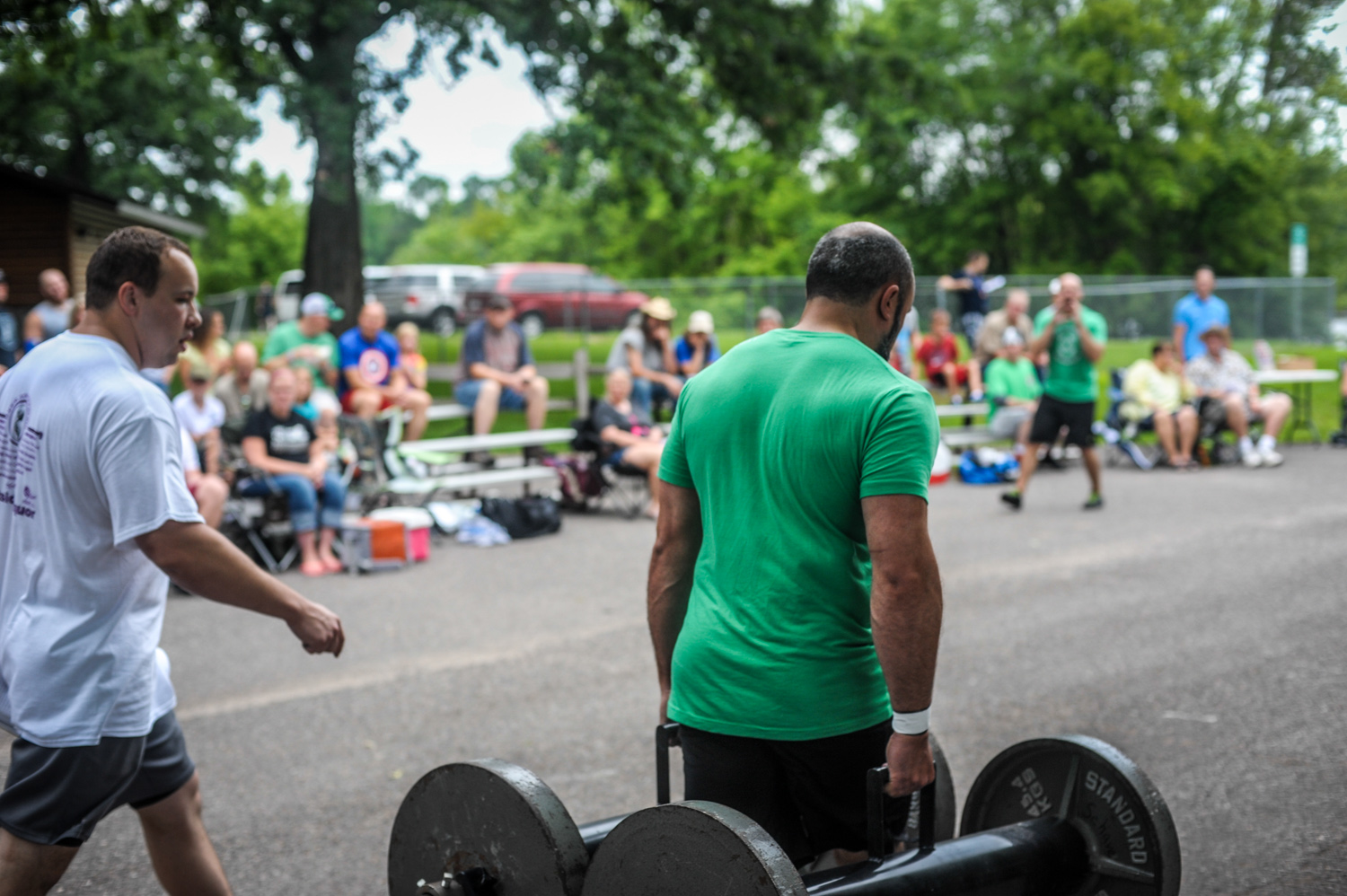
This post kicks off a series of challenges of the physical culture variety that myself and Dellanavich are putting to you.

It’s one of my core beliefs that the more adaptable you are, the more useful you are. That doesn’t mean you need to be a generalist and be good at everything, but that you can adapt to the widest variety of situations. A huge part of that is physically being able to withstand the widest range of possible insults. I’m going to dig into my bag of tricks to pull out challenges that are both worthy tests of mettle as well as ways to hone your own metal.

This challenge is a classic. Two minutes, as many reps as you can with a fixed weight. The fat handle is key here, so get yourself some Fat Gripz if you don’t have a fat dumbbell.

Share your weight and your reps in the comments!

Filed Under: Blog

by david Leave a Comment

How to be a Great Training Partner

How to be a Great Training Partner

Training Part Feat

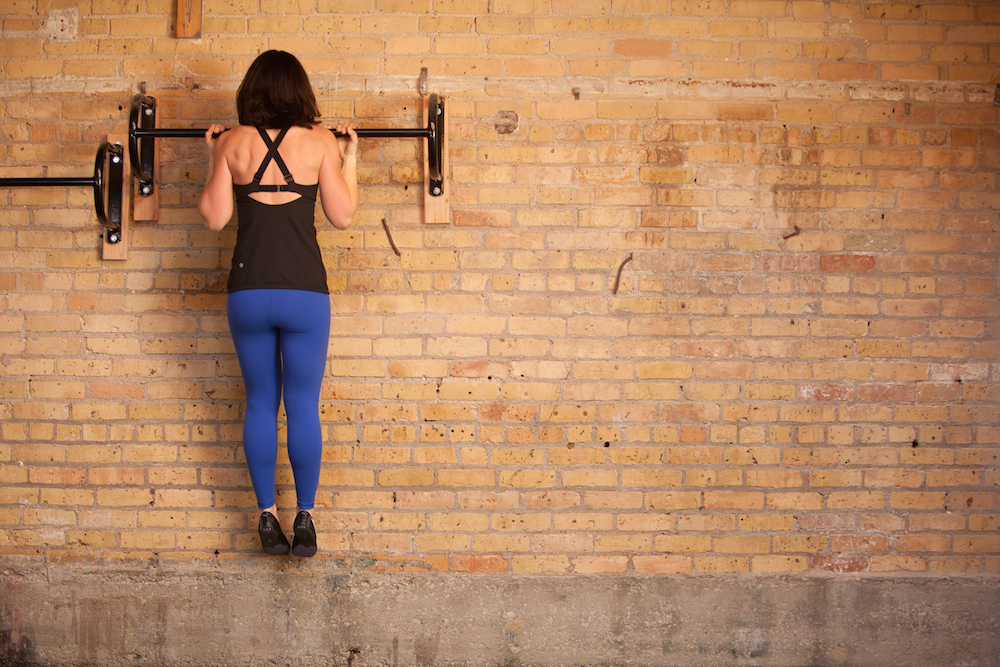
Good training partners are perhaps the most underestimated piece of the training equation. You can have all of the best possible equipment, the ultimate training plan, and all the potent gains-inducing supplements in the world and you’re still going to miss out on a host of benefits that good training partners provide. For some people the training partner is the lynchpin, because without one, they won’t show up to train at all.

Here’s how you can be a great training partner:

 1. Show Up

A training partner who cancels or doesn’t show up to train is worse than not having one at all. At least if you’re used to flying solo you’re not doing anything different than usual, but when you’re expecting a partner it is totally demotivating to have them skip their workout and have to do it on your lonesome. Being someone’s training partner is a duty you accept and you have responsibilities that go with that. Show up.

2. Know When to Encourage and When to STFU

A good training partner is not an incessant cheerleader constantly hyping you up and telling you that you can do it no matter what. Sometimes some encouragement and hype is appropriate. Sometimes it’s best to shut the fuck up and let someone focus on what they’re doing. Know when to do each and pay attention to social cues.

3. Challenge by Asking

One of the most powerful phrases you can use is “Can I do that?” This simple question has transformed the training of many people. But almost as powerful is “Can you do that?” The best training partner I ever had was someone who had such an intimate knowledge of the spectrum of difficulty in strength feats that he was always able to ask “can you do that?” of the next progression I was capable, or almost capable of. This drove my training forward in a way that I’ve never before or since experienced. Challenging your training partners to perform new feats or reach new PRs by asking the question of them is one of the very best ways a partner can improve the training environment.

Can you do that? <- Best thing a training partner can ask of you.

Click To Tweet

4. Leave Your Partner Better

This one is a little nebulous and vague, but stay with me. Ultimately your goal needs to be that when your training partner(s) leave the gym they are better than when they came, and not just from the strength session. If they leave burdened with or annoyed by your life problems that you foisted onto them during the training session, well, you screwed up. That’s not to say you can’t hash out issues during your lift, just make sure you’re respectful about it and that they leave better because they were able to help or because you canned it before things got out of control. Another example would be when training partners have major discrepancies in strength levels. You don’t have to be at the same level of strength or ability, but you don’t get to gloat about it or be a dick – everyone has to leave better. Manners go a long way in this department, such as pick up after yourself  and not leaving it to your partner. Offer words of encouragement or praise, make them feel better.

“I’ve learned that people will forget what you said, people will forget what you did, but people will never forget how you made them feel.” -Maya Angelou

The Gift That Keeps on Giving

Training partners can make or break your training. Do your part to be a great training partner and you’ll reap the benefits many times over.

strength-the-gift-that-keeps-on-giving--dc47b

Filed Under: Blog

  • « Previous Page
  • 1
  • …
  • 55
  • 56
  • 57
  • 58
  • 59
  • …
  • 82
  • Next Page »

Olive Oil

Upcoming Workshops

    No events to show

Search

David Dellanave

David Dellanave, known most often as ddn, is a lifter, coach, and owner of The Movement Minneapolis in the Twin Cities. He implements biofeedback in training; teaching his clients to truly understand what their bodies are telling them. He’s coached a number of athletes who compete at the international level in sports ranging from grip to rugby, and his general population clients readily demonstrate how easy it can be to make progress.

Latest Tweets

  • Just now
  • Follow me on Twitter

Important Pages

  • Coaching
  • Seminars
  • Disclaimer
  • Terms of Service
  • Privacy Policy

Comments

  • david on 3 Tips for Lifting While Sorting Through SI Joint Pain
  • David Brochin on 3 Tips for Lifting While Sorting Through SI Joint Pain
  • Ken on How to Pass the RKC Snatch Test
  • Bethuel Njoroge on Wild Game Hunting: Inhumane or The Most Humane?
  • Jennifer Matthews on 3 Tips for Lifting While Sorting Through SI Joint Pain

Copyright © 2026 · Generate Pro Theme on Genesis Framework · WordPress · Log in